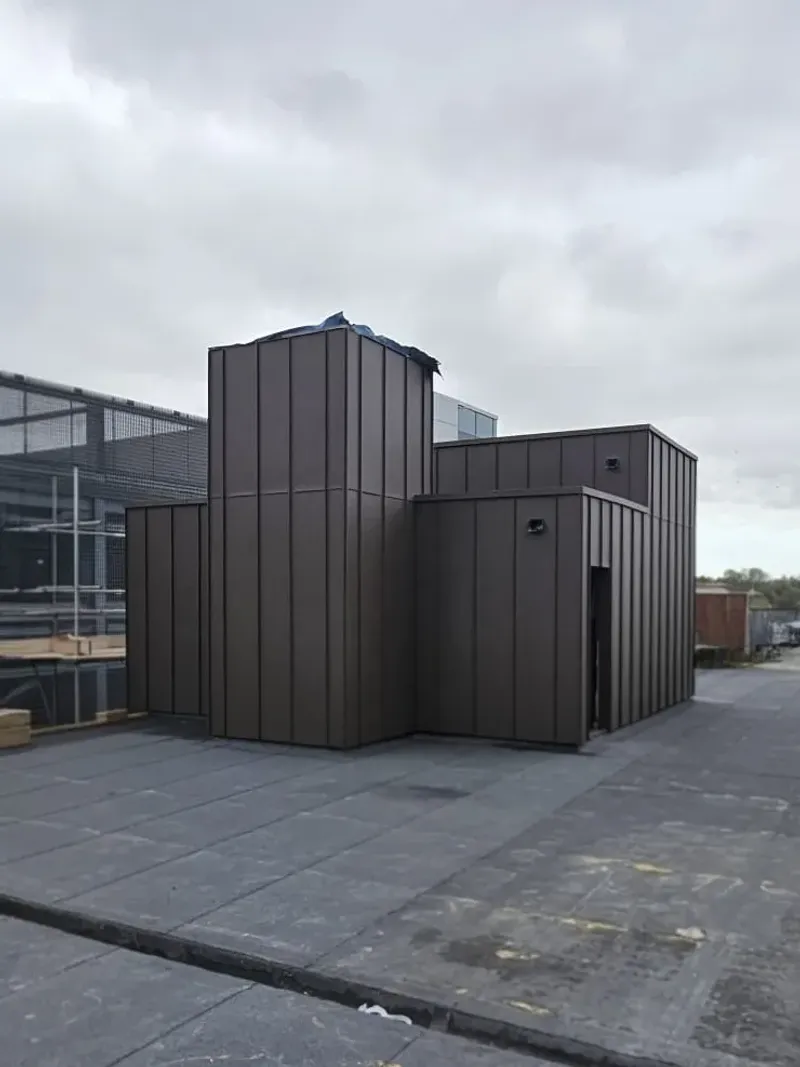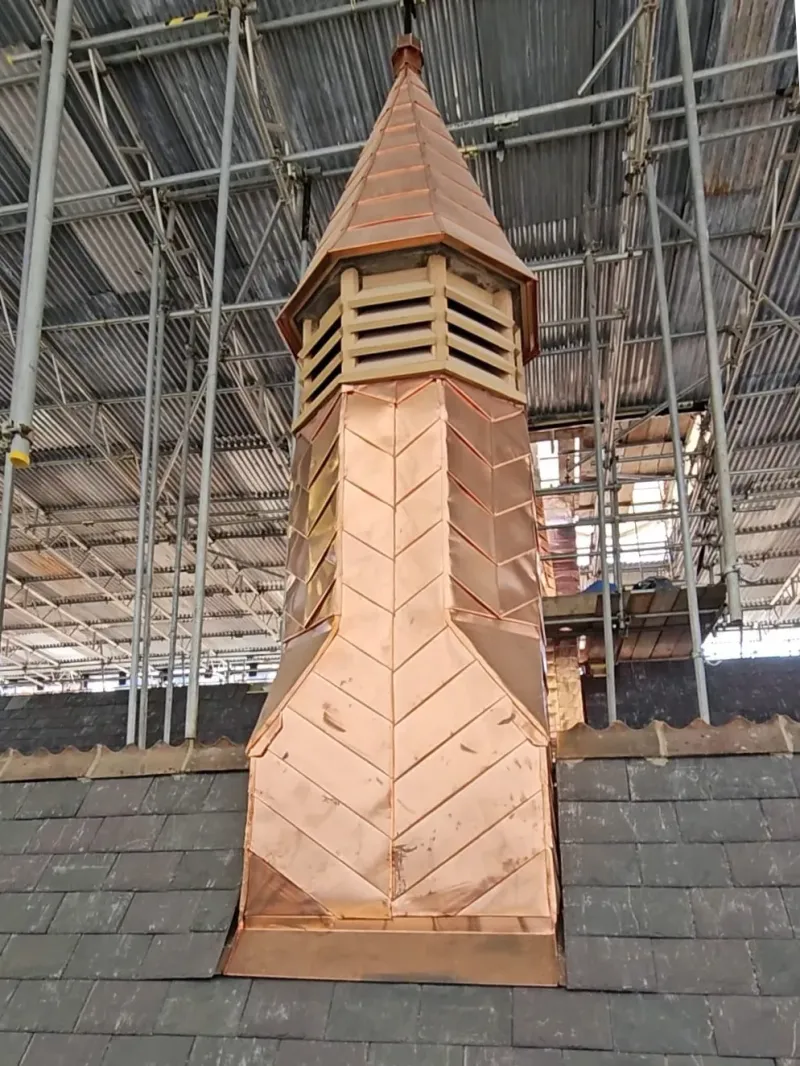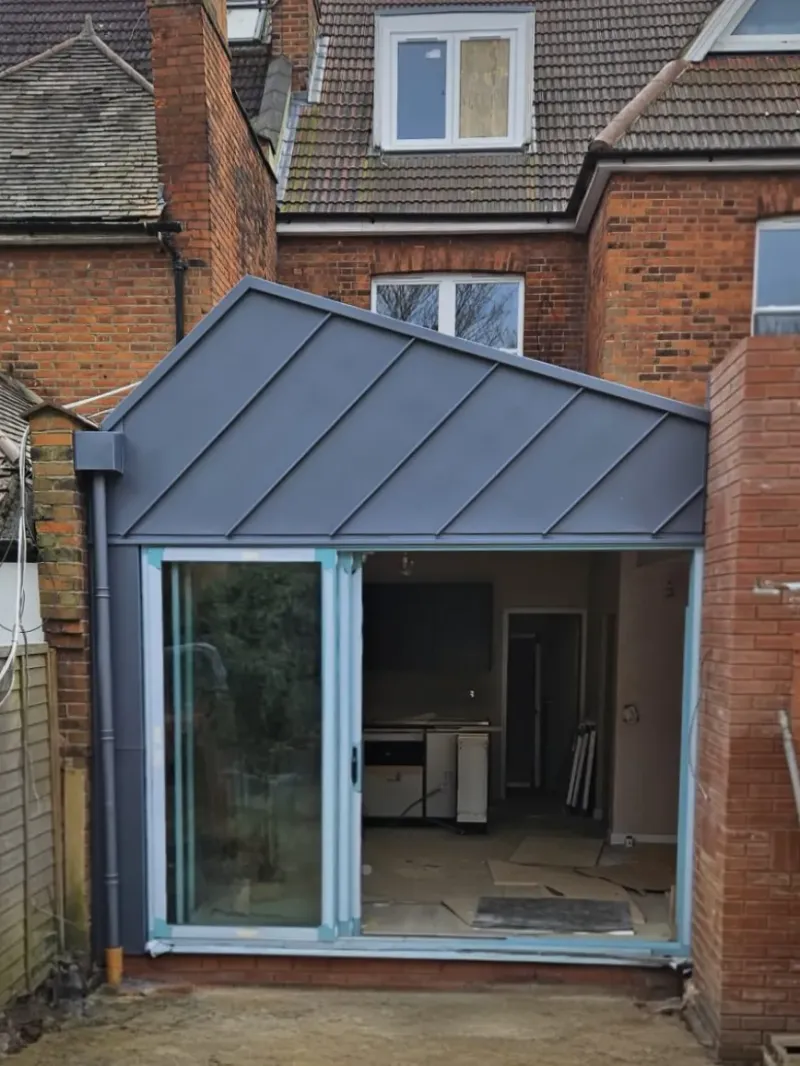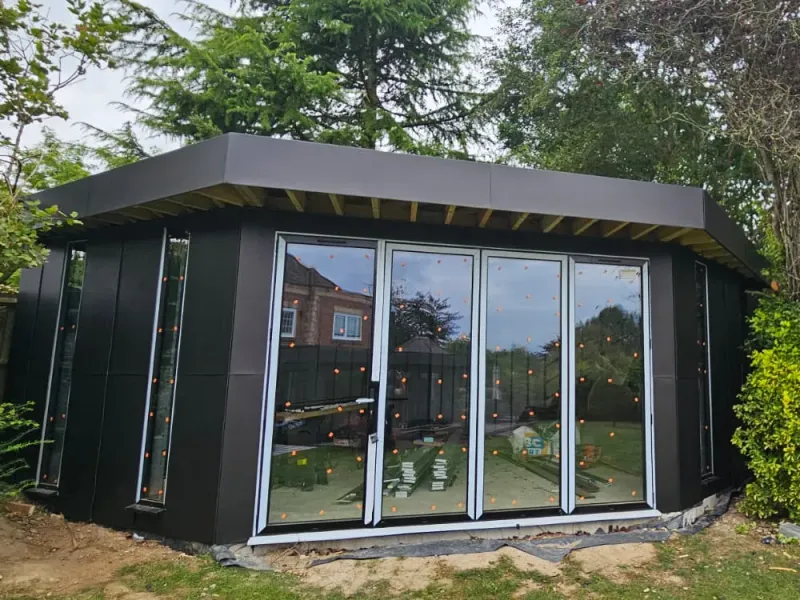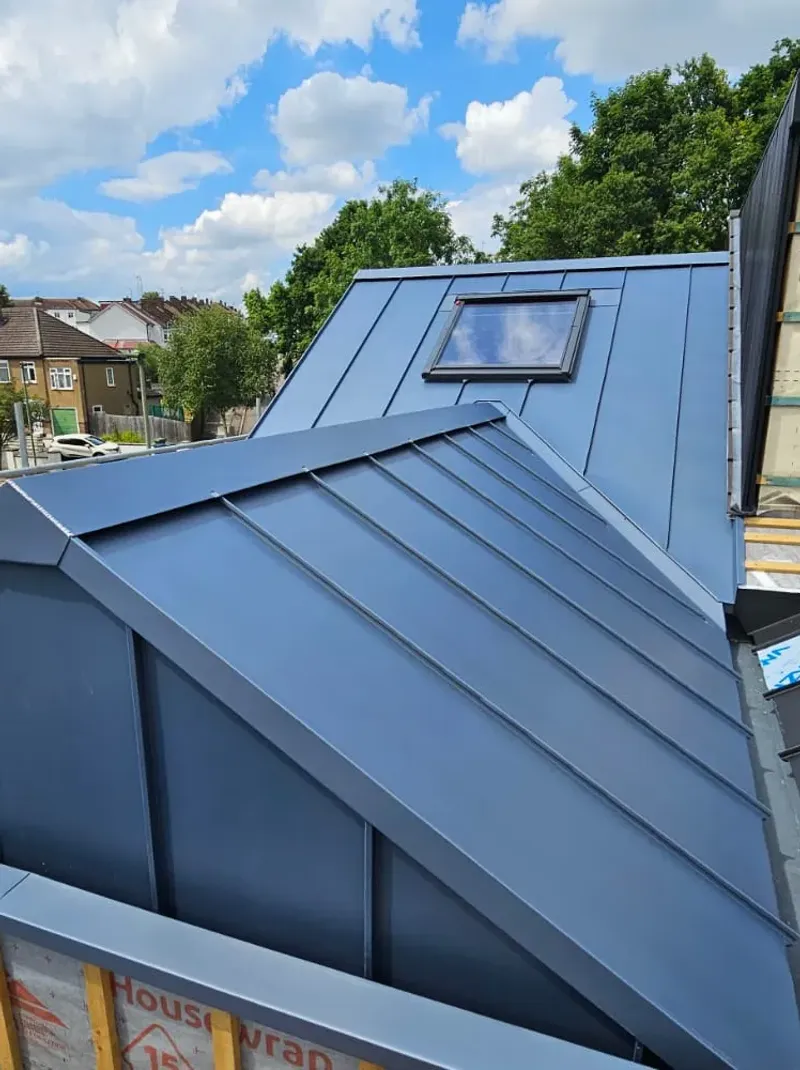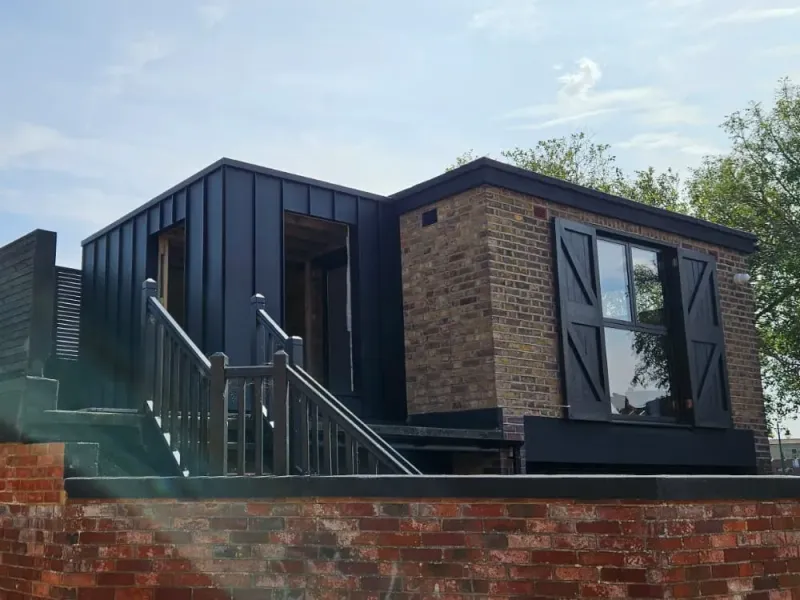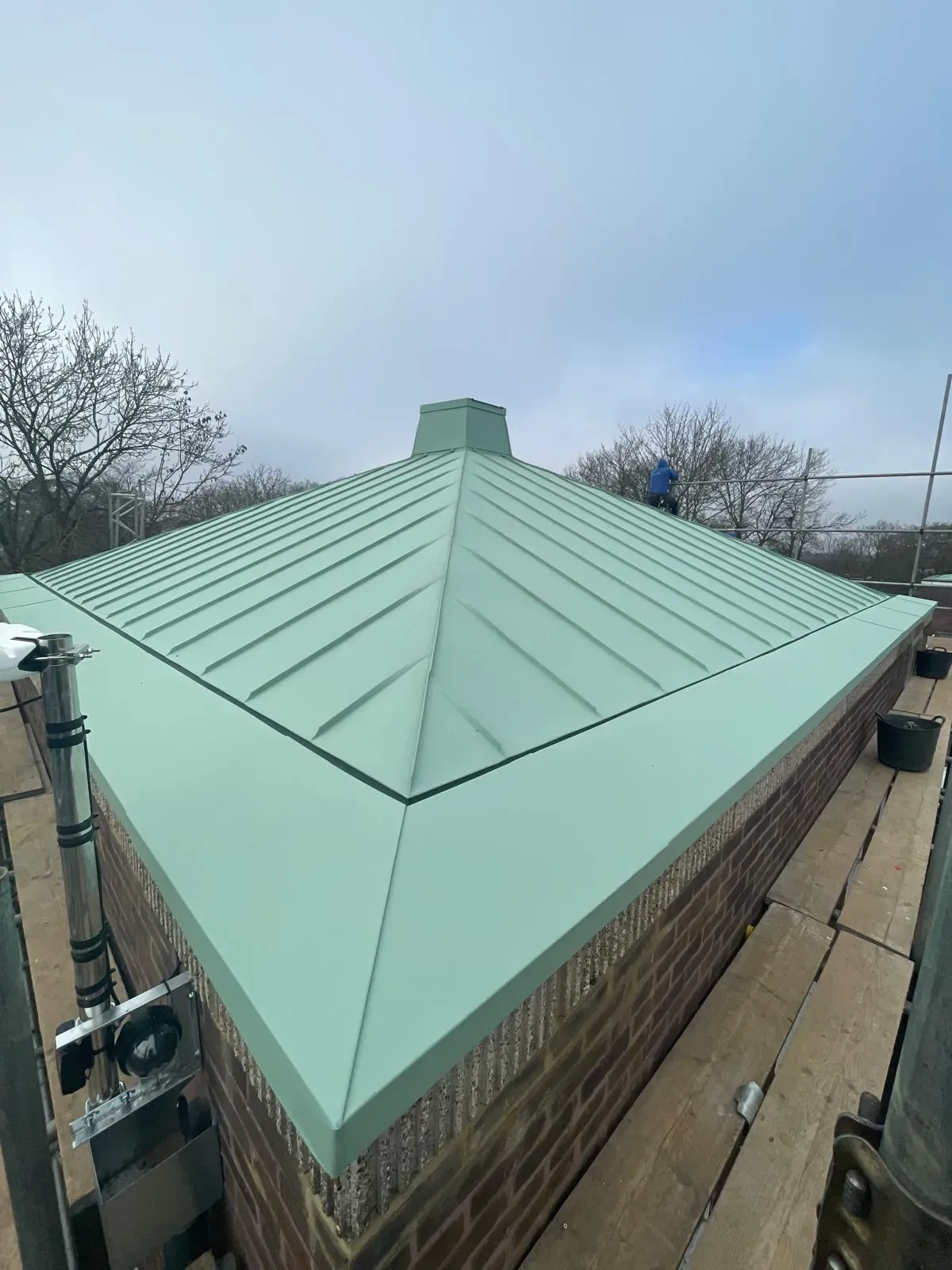
Ideal for any climate and location. Not only does it deliver a bold visual appeal, but its corrosion-resistant, strong build ensures it will endure for decades.
Why Choose Steel?
Steel is one of the most widely used materials in roofing due to its outstanding strength and durability. Modern coated steel products offer excellent resistance to corrosion, UV degradation, and extreme weather, making them suitable for virtually any environment.
- Exceptional structural strength
- Available with protective coatings for long-term corrosion resistance
- Versatile — suits residential, commercial, and industrial projects
- Cost-effective over its full lifespan
Applications
Steel roofing is used across a broad range of building types, from domestic extensions and agricultural buildings to large-scale commercial developments. Standing seam steel systems in particular offer a clean, modern finish that has become increasingly popular in contemporary architecture.
With the right specification, steel roofing delivers decades of reliable, low-maintenance performance.
Strength and Practicality
Steel is often selected because it gives projects a very practical balance of performance and cost. It is strong, widely available, and can be supplied in coated systems that offer excellent resistance to weathering when the right product is chosen for the environment.
That makes it suitable for clients who want a robust metal roof or cladding system without moving into the higher price bracket associated with copper or some zinc applications. It can work equally well on modern residential builds and on more functional commercial or industrial schemes where durability is the main concern.
As with any metal roofing system, the detail design matters. Coating selection, cut edge protection, substrate choice, ventilation, and exposure level all affect how well the system will perform over time. On the right build-up, steel can provide a long service life with a crisp, architectural finish.
Where Steel Works Best
Steel is a strong fit for projects that need durability, speed of installation, and value. It is frequently used on extensions, barns, outbuildings, retail units, workshops, schools, and larger commercial envelopes. Coated steel systems also offer a wide range of colours, which can make them useful where planning, branding, or design coordination is a factor.
For standing seam work, steel can create sharp lines and a contemporary appearance while remaining relatively cost-effective. It is also a good option where the brief calls for a material that can handle demanding weather conditions without requiring complex maintenance routines.
Is Steel Right for Your Project?
Steel can be an excellent choice when strength, durability, and cost control all matter. It is commonly used on residential, commercial, and industrial projects because it offers a robust finish while remaining versatile enough for different roof forms and wall cladding applications.
For many projects, coated steel systems provide a practical balance between appearance and value. They can cope well with demanding weather conditions and are available in finishes that suit both modern and traditional settings.
We work with clients to select the right specification, coating, and detailing approach so the steel system is matched to the building type and exposure conditions.
What to Consider Before Choosing Steel
Not all steel roofing systems are equal. The performance of the finished roof depends on the coating system, the environmental exposure, the junction detailing, and the standard of installation. In more aggressive environments, choosing the right product becomes especially important.
Steel can also be the right option when the brief calls for design flexibility without losing sight of budget. If the project needs a durable metal solution that looks sharp, performs well, and represents sensible value, coated steel is often one of the most competitive choices available.
We help clients compare steel honestly against aluminium, zinc, copper, and single ply so the final system is based on performance requirements rather than assumptions.