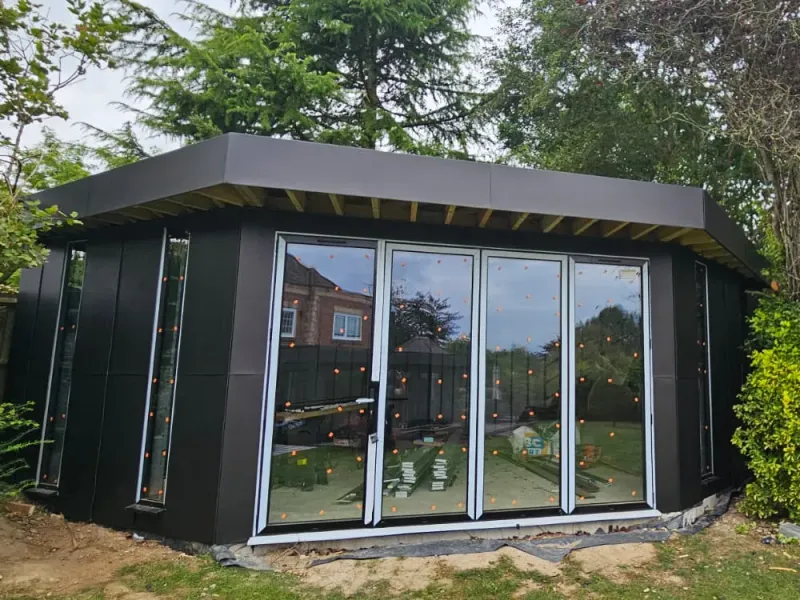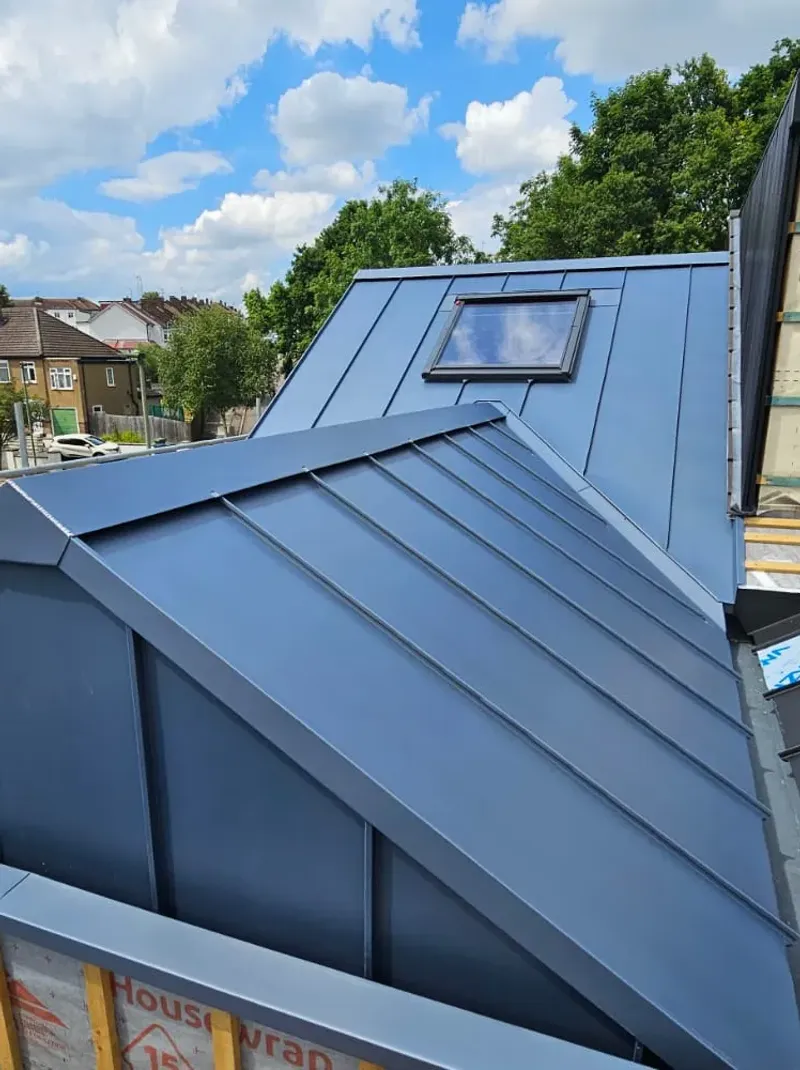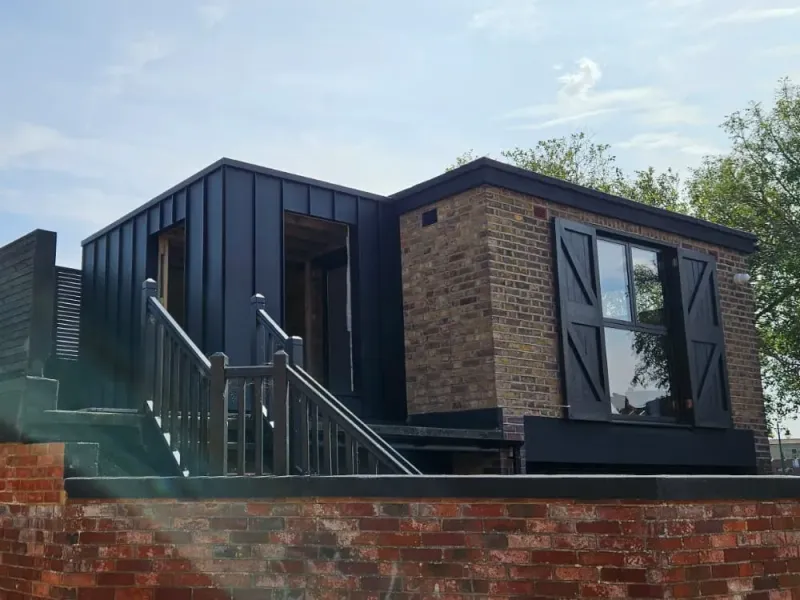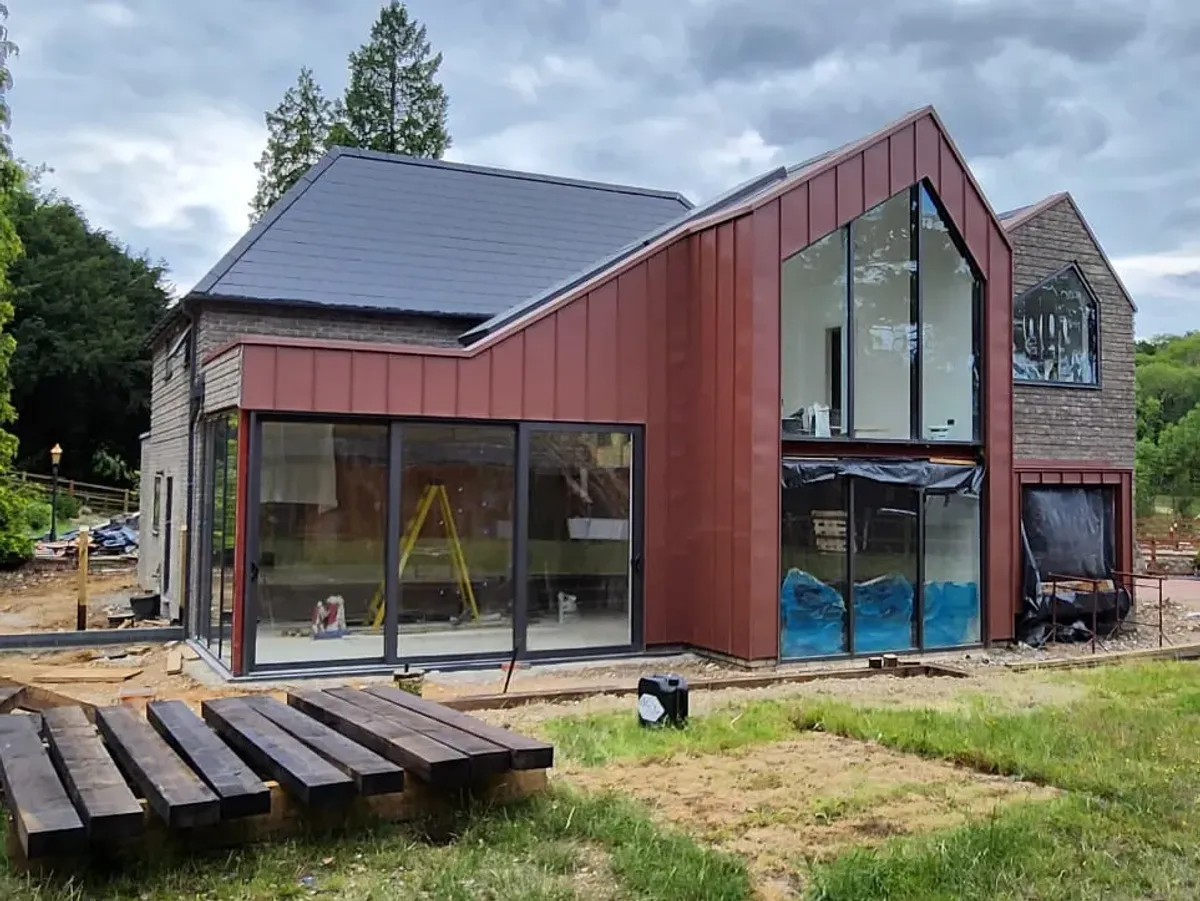
One of the most appealing things about metal cladding is how little it asks of you. Compared to timber, which needs regular treatment, or painted render, which can crack and discolour, a well-installed metal facade can go years without needing any significant attention. But low maintenance is not the same as no maintenance, and a small amount of care at the right intervals will make the difference between cladding that performs well for decades and cladding that develops avoidable problems.
This guide covers the general principles of maintaining metal cladding — what to look for, how often to look, and what to do when something needs attention.
Why maintenance matters even for durable metals
Metal cladding systems are designed to be robust. Zinc, aluminium, copper, and steel all have strong natural or engineered defences against weathering, and under normal conditions they will handle the British climate without issue. The problems that do occur are rarely a result of the metal itself failing — they are almost always a result of something interfering with the system: debris blocking drainage, fixings loosening over time, or incompatible materials causing localised corrosion.
Catching these issues early is straightforward and inexpensive. Leaving them unaddressed can lead to water ingress, structural damage, and repair costs that dwarf what a routine inspection would have cost. The good news is that an annual check-up, combined with keeping the cladding reasonably clean, is genuinely all that most buildings will need.
Annual inspection: what to look for
Once a year — or after any significant storm — it is worth carrying out a visual inspection of your metal cladding. You are looking for the following:
Blocked or damaged drainage
Gutters, outlets, and any drainage channels in the cladding system should be clear of leaves, moss, and debris. Standing water is the enemy of any cladding system, regardless of material, and blocked drainage is the most common cause of moisture-related problems.
Damaged or displaced fixings
Over time, thermal movement — the natural expansion and contraction of metal with temperature changes — can work on fixings, particularly if the system was not correctly installed. Look for any panels that appear to have shifted, any visible gaps at seams or junctions, and any fixings that appear loose or corroded.
Sealant and joint condition
Where cladding meets windows, doors, or other elements, sealant joints are typically used to manage the transition. Sealant has a shorter service life than the cladding itself — typically 15 to 25 years — and will eventually crack, shrink, or lose adhesion. Inspect these joints and replace any that are showing signs of deterioration.
Surface damage
Look for any significant scratches, dents, or areas where a coating appears to have been breached. On coated steel in particular, exposed metal at a damaged point can begin to corrode if left unaddressed. Minor scratches on zinc or copper will self-heal as the patina reforms, but deeper damage should be assessed.
Staining or discolouration
Some staining on metal cladding is entirely normal — run-off patterns, early moss growth in shaded areas, or tannin staining from adjacent timber are all common. Most can be removed with appropriate cleaning. Staining that recurs quickly in the same location may indicate a drainage or ponding issue worth investigating.
Cleaning metal cladding
For most buildings, an occasional wash-down is all that is needed to keep metal cladding in good condition. In the UK, rain does a reasonable job of keeping exposed surfaces clean naturally — buildings in urban areas or near busy roads may accumulate more particulate deposits and benefit from more regular cleaning.
The safest approach for all metal cladding types is a gentle wash with clean water and a soft brush or cloth. For more stubborn deposits, a mild, pH-neutral detergent can be used. Always rinse thoroughly afterwards to remove any detergent residue.
What to avoid: abrasive cleaners, wire brushes, and high-pressure washers directed at seams or fixings. High-pressure washing can force water into joints that are designed to shed water from above, not resist it from the side, and can also strip protective coatings on steel or damage the developing patina on zinc and copper.
Avoid using cleaning products that contain bleach or strong acids unless specifically recommended by the cladding manufacturer. These can damage protective coatings, disrupt patination, and in some cases cause staining that is difficult to reverse.
Material-specific considerations
While the general principles above apply across all metal cladding types, there are a few material-specific points worth keeping in mind.
Zinc
Zinc develops a protective patina that should be left to form and mature naturally. Avoid any cleaning approach that strips or disrupts the patina layer — this is actually the material’s primary protection. The patina can look uneven in the early years, particularly on large elevations, but this will settle over time.
Aluminium
Aluminium with a powder-coat or anodised finish is straightforward to maintain. Powder-coated surfaces benefit from periodic washing to prevent the build-up of atmospheric deposits that can dull the finish over time. Anodised surfaces are similarly low-demand.
Copper
Copper requires very little intervention. The natural patination process is self-protective, and the material’s antimicrobial properties mean moss and algae are less likely to establish than on other surfaces. Avoid any cleaning products containing ammonia, which can react with copper and cause staining.
Steel
Steel with a protective coating requires more vigilance than the other metals. The coating is doing the work, and any breach in it — whether from impact, incorrect cutting, or fixing damage — should be treated promptly. Small areas of exposed steel can be treated with a compatible touch-up coating; larger areas of damage should be assessed by a specialist.
When to call a professional
Most routine maintenance tasks are well within the capabilities of a building owner or facilities manager. However, there are situations where it is worth bringing in a specialist: if you have water ingress and cannot identify the source; if significant areas of coating damage are present on steel cladding; if fixings appear to have failed in multiple locations; or if you are planning any work that requires access to the cladding, such as adding penetrations for services.
A simple maintenance schedule
A straightforward approach that will serve most buildings well:
- Annually: Visual inspection of the full cladding area, drainage clearance, sealant condition check
- Every two to three years: Full clean of the cladding surface
- Every 15 to 25 years: Sealant replacement at junctions and transitions
- As required: Touch-up treatment for any coating damage on steel; professional assessment for any water ingress
Talk to Met-Tec
If you have questions about maintaining your metal cladding, or if an inspection has flagged something you are not sure about, get in touch with the Met-Tec team. We work with zinc, aluminium, copper, and steel and can advise on the right approach for your specific installation.