Metal Cladding for Self-Build: What You Need to Know
Self-builders have a freedom that most people who commission a home never get: the ability to make genuine, long-term decisions about materials without the compromises that come with developer economics or a tight speculative budget. Metal cladding is one of the materials that benefits most from that freedom. When you are building for yourself — for the long term, on your own terms — the qualities that make metal cladding worth the investment come into their own.
But metal cladding is also a material that rewards careful planning. Getting the most out of it means making certain decisions early, understanding how it interacts with the rest of the building, and working with people who know the material well. This guide covers everything a self-builder needs to know before committing to metal cladding.
Why metal cladding suits self-build so well
Self-build projects tend to have a different set of priorities to developer-led housing. The emphasis is typically on quality, longevity, and individuality rather than replicability and margin. Metal cladding aligns well with all three.
On quality and longevity, metal cladding is hard to beat. The main materials — zinc, aluminium, copper, and steel — all offer service lives that will comfortably outlast a mortgage, and in some cases will outlast the people who commissioned the building. For a self-builder investing significant time, money, and energy into a home they intend to live in for decades, a material that performs well for the long term without asking much in return is a compelling proposition.
On individuality, metal cladding offers something that most common cladding materials cannot — a finish that is distinctive, architecturally credible, and capable of giving a self-build the kind of presence that makes it look genuinely considered rather than off-the-shelf. Whether the design brief calls for something bold and contemporary or something quieter and contextual, metal has the range to deliver.
Getting the design right: early decisions that matter
Metal cladding is most successful when it is integrated into the design from the outset rather than applied as a finish at the end. There are a few decisions that are much easier to make early than to change later.
Material selection
The four main metals each have a distinct character, performance profile, and price point. This decision is worth making before detailed design begins, because the choice of material influences jointing, detailing, and the design of the supporting structure. Our guide to choosing your cladding material covers the key differences in detail.
Roof and wall integration
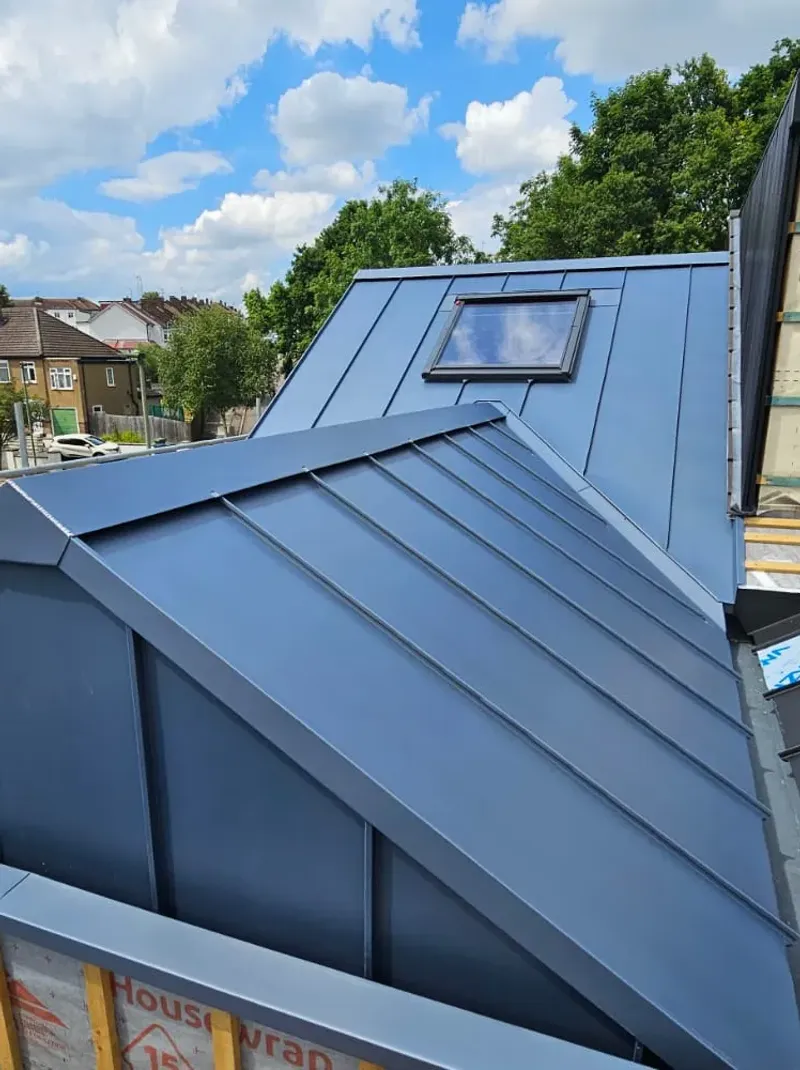
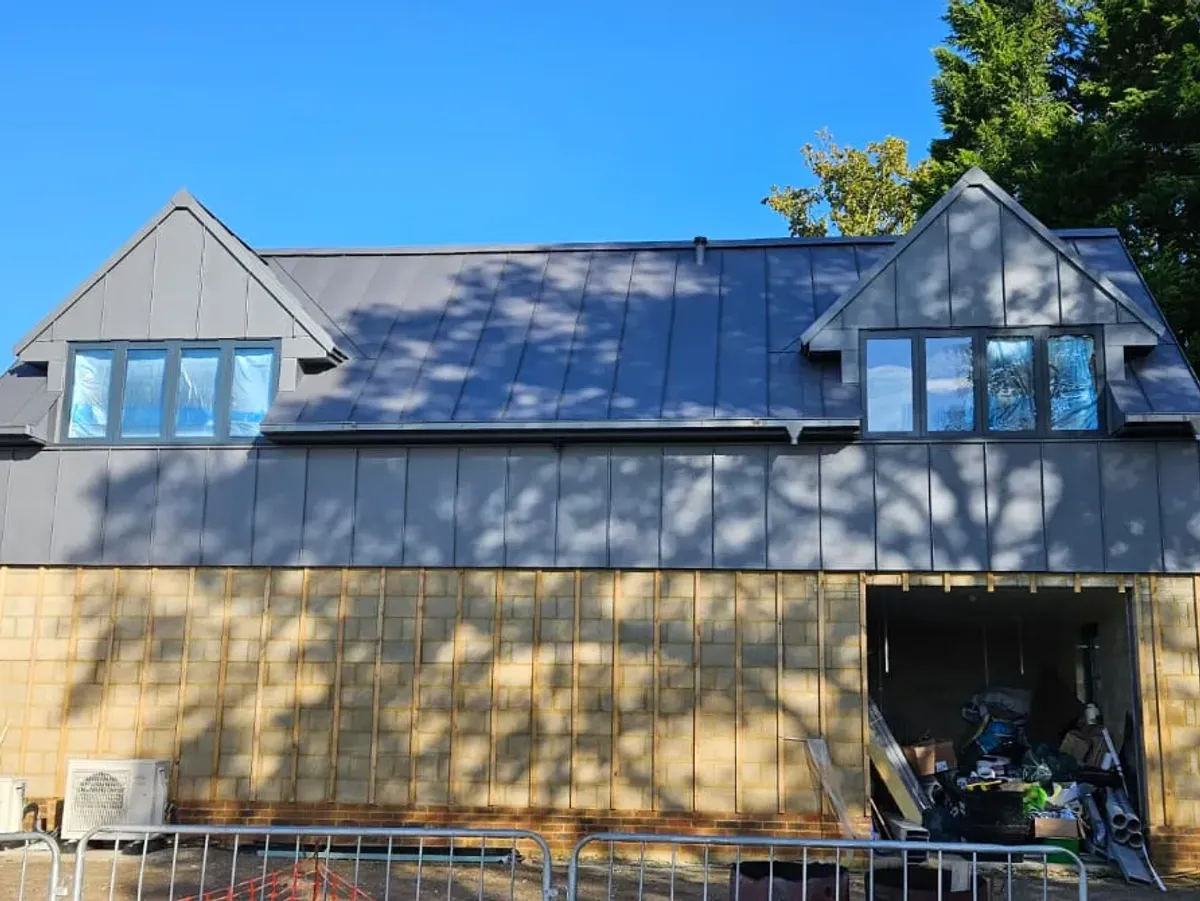
One of the great strengths of metal cladding is the ability to wrap a building continuously — to use the same material on both the roof and the walls, creating a unified envelope. If this is part of the design intent, it needs to be planned for from the outset, as the structural and waterproofing details at the junction between roof and wall are critical and need to be designed carefully.
Orientation and exposure
Some metals patinate differently depending on the direction a surface faces and the level of exposure to rainfall and sun. On a building where the cladding is visible on multiple elevations, it is worth understanding how the material will weather on each face, particularly if patination is part of the aesthetic appeal.
Substrate and structure
Metal cladding is fixed to a substrate — typically a timber or metal frame with a breather membrane, battens, and counter-battens to create a ventilated cavity behind the cladding. The design of this substrate, and its coordination with the insulation strategy and the structural frame of the building, needs to happen at design stage. Retro-fitting the substrate requirements after the frame has been built can be complicated and expensive.
Planning permission and self-build
New build self-build projects require full planning permission, and the choice of external materials — including cladding — will typically be assessed as part of the planning application. See our guide on planning permission for metal cladding for a full breakdown of what applies. In some locations, particularly in National Parks, Areas of Outstanding Natural Beauty, conservation areas, or areas with strong local character, the planning authority may have a strong view on what materials are appropriate.
This is not a reason to avoid metal cladding — it is used successfully in planning applications across the UK, including in sensitive landscapes — but it is a reason to think about the planning context early and to make sure the choice of material is presented clearly and confidently in the application. Good design drawings that show how the material will look and age, and a well-written design and access statement, can make a significant difference to how an application is received.
If you are working with an architect, they should be well-placed to advise on how to navigate this. If you are project-managing the build yourself, it is worth seeking pre-application advice from your local planning authority before finalising material choices.
Working with a specialist installer
Metal cladding is not a material for a generalist. The detailing at junctions, penetrations, verges, and drainage points is where the long-term performance of a metal cladding installation is determined, and getting it right requires both experience and a thorough understanding of how the material moves and behaves over time.
For self-builders, this means choosing an installer who works regularly with the material you have specified and who can demonstrate relevant experience. It is worth asking to see completed projects — ideally ones that are several years old — and talking to previous clients about their experience.
Involving the installer early in the design process is also valuable. A good installer will be able to identify potential detailing issues, suggest refinements that improve performance or reduce cost, and ensure that the substrate design is compatible with the cladding system. This kind of early collaboration tends to produce better results than handing a completed specification to an installer and asking them to price it.
Programme and sequencing
Metal cladding typically follows the structural frame and roof weatherproofing on a self-build programme. The substrate — battens, counter-battens, breather membrane — needs to be complete before cladding begins, and any penetrations for windows, doors, and services need to be in place and correctly detailed before the cladding closes up around them.
Lead times for some metal cladding materials, particularly copper and zinc, can be several weeks. It is worth confirming lead times with your installer early and building them into the programme, particularly if you are working to a tight completion date.
Budget and value
Metal cladding represents a higher upfront investment than many alternative external finishes. For self-builders working to a tight budget, it is worth being realistic about this at the outset and making sure the choice of material is compatible with the overall project budget.
That said, the whole-life economics of metal cladding are worth understanding in full. A material that lasts 60, 80, or 100 years with minimal maintenance, requires no repainting, and holds its appearance and performance over the long term has a very different lifetime cost profile to cheaper alternatives that need regular treatment or replacement. For a self-builder building a home for the long term, that is a comparison worth making carefully.
It is also worth remembering that cladding is a significant part of what people see when they look at your home. For many self-builders, the external appearance of the building is one of the most important things to get right — and the material you clad it in will define that appearance for decades.
Talk to Met-Tec about your self-build
Met-Tec works with self-builders at all stages of a project — from early material selection and design advice through to installation. We understand the specific demands of self-build projects and are happy to get involved early to help you make the right decisions for your build. Get in touch to start the conversation.